
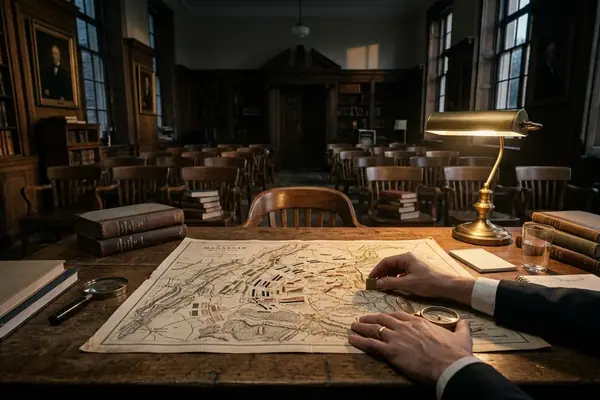
Gettysburg focus: This category centers Gettysburg within the wider operational pressures that shaped the Eastern Theater in 1862–1863, especially the road networks, corps marches, and command delays that brought armies onto the Pennsylvania ridges.
Tactical analysis: Articles examine command decisions, terrain use, unit movement, and battlefield timing across major engagements. The work often starts with one stubborn question, such as how a shallow fold in ground near the Emmitsburg Road changed visibility for infantry and guns.
Campaign context: Coverage connects battles such as Second Manassas, Antietam, Fredericksburg-area operations, Chancellorsville, and Gettysburg without treating them as interchangeable map plates. Each fight carried forward habits of command, reconnaissance, and risk.
Research utility: Timelines and overviews are designed for historians, battlefield guides, reenactors, and advanced Civil War students who already know the basic chronology and need help reading movement, frontage, elevation, and artillery fields of fire.
Documentary grounding: Interpretive claims are framed through orders, reports, terrain evidence, and the limits of surviving battlefield records. Maps guide the work, but they do not settle every disputed unit position or explain soldiers’ psychological experience.


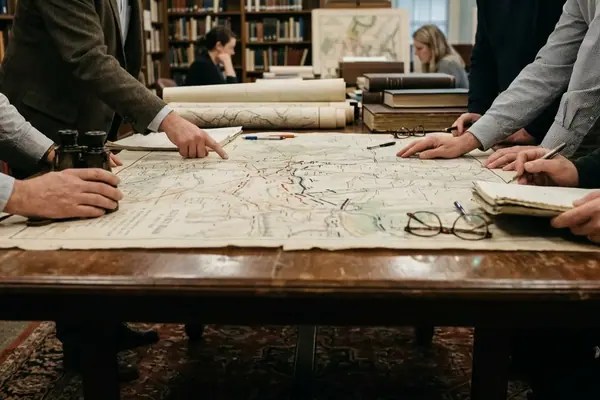
Tactical maps reward slow reading. A contour line, a fence trace, or a battery symbol can explain why an order looked reasonable at headquarters and became dangerous on the ground. The best use of these maps is comparative: set the official record beside modern terrain, then ask what a commander could actually see, reach, or support at the hour in question.
This category keeps that discipline at the center. It favors documented movement over legend, local ground over broad abstraction, and careful uncertainty where the evidence remains thin.