

Orders of battle: Track Army of the Potomac alignments from army headquarters down to regiment, with close attention to Eastern Theater command structures in 1862-1863 and the way corps, divisions, and brigades shifted between campaigns.
Unit histories: Examine formations such as the Iron Brigade and the 1st Minnesota Infantry as working military organizations, not just famous names, following their recruitment base, officers, drill, field assignments, and battlefield conduct.
Casualty analysis: Compare losses by regiment, brigade, and engagement while treating official returns with care; a reported total often reflects paperwork timing as much as the true human cost of a fight.
Command context: Connect field leadership, tactical placement, and army-level decisions to changing combat effectiveness, especially where a brigade’s assignment at Chancellorsville or Gettysburg shaped its later strength and reputation.
Research utility: Use concise summaries and source-aware statistics as starting points for academic study, battlefield interpretation, reenactor impressions, and genealogical work tied to named soldiers or specific companies.
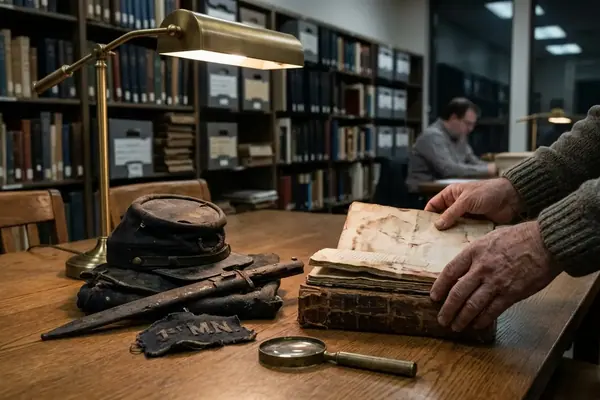
This category is built for readers who already know the broad outline of the war and need sharper tools: order-of-battle comparison, casualty interpretation, regimental tracing, and command analysis. The most useful work usually begins with a narrow question, such as why one brigade’s reported strength changed between two engagements or how a colonel’s absence altered a regiment’s role in line of battle.
Read the records closely, but do not treat them as frictionless. Reports conflict, diaries remember selectively, and consolidated units can disappear from view unless the researcher follows the paperwork through multiple commands. That is where careful unit-level study of the Army of the Potomac earns its keep.