
Terrain: Examine how the rise of Marye's Heights, the Sunken Road, and the stone wall shaped fields of fire, dead ground, and the routes Union formations used across the plain below Fredericksburg.
Tactics: Connect topography to Confederate defensive placement, Union assault formations, artillery sightlines, and command decisions, especially where a few feet of elevation changed what soldiers could see and reach.
Structures: Study historic roads, walls, earthworks, and built features as military obstacles rather than scenic background; on this ground, masonry, grade, and street alignment mattered as much as unit strength.
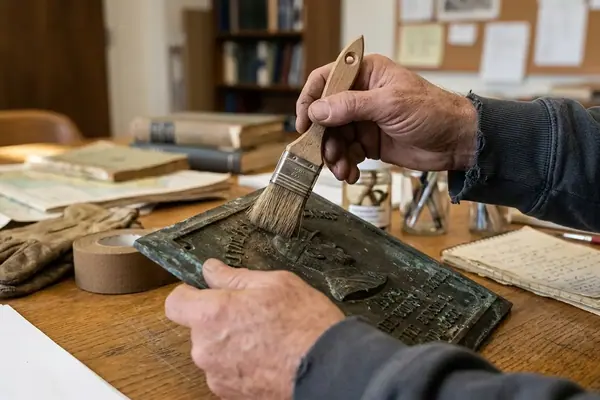
Monuments: Interpret commemorative markers as evidence of memory, veteran testimony, unit identity, and later battlefield preservation, while separating memorial placement from the exact position of December 1862 actions.
Field Research: Use terrain-focused analysis to compare Marye's Heights with Gettysburg features such as Little Round Top and Culp's Hill, where slope, cover, and approach routes also shaped tactical choices.

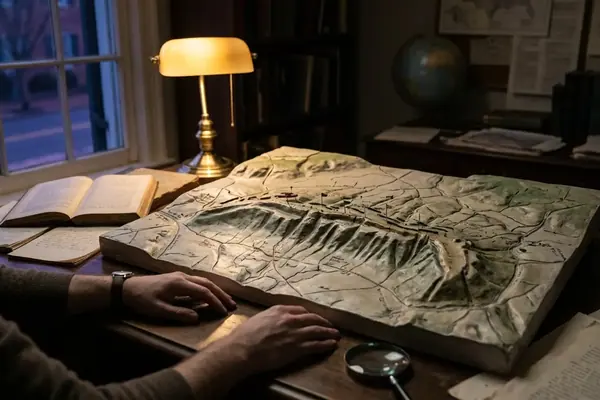
Marye's Heights rewards slow fieldwork. Start at the road and wall, then read upward toward the crest and outward across the former attack ground. The modern city has changed grades, sightlines, and access, but it has not erased the military logic of the position.
For guides, researchers, terrain analysts, and preservationists, the useful habit is separation: physical ground, wartime function, later monument, present access. Keep those layers distinct, and the landscape becomes a document rather than a backdrop.