
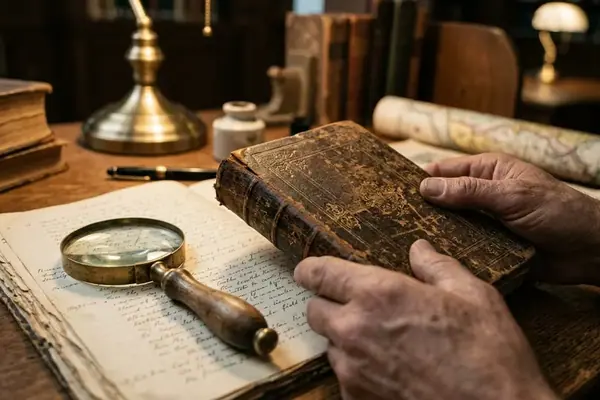
Presidential authority: Study Lincoln-era documents such as the Emancipation Proclamation alongside the Antietam aftermath, enlistment debates, and cabinet timing that shaped public reception and army enforcement.
Battlefield testimony: Compare Union and Confederate eyewitness accounts from actions such as Pickett's Charge, then mark where memory, line of sight, rank, and postwar reputation color tactical detail.
Command records: Examine orders, dispatches, paroles, and official reports, including Special Orders 191 and Appomattox surrender paperwork, as working instruments rather than relics.
Medical and civilian voices: Read letters and diary evidence, including Clara Barton's Fredericksburg correspondence, for insight into care under fire, wagon shortages, improvised hospitals, and civilian displacement.
Document analysis: Use transcripts with historical interpretation to connect original wording, provenance, military context, and Eastern Theater consequences without assuming that official phrasing equals battlefield truth.

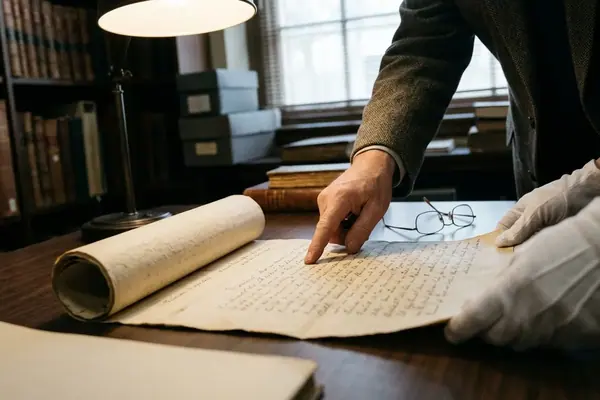


The value of these records lies in close comparison. A dispatch may fix a timestamp, a diary may preserve a rumor moving through camp, and a later report may smooth over confusion that mattered on the field. I keep the document's job in view before drawing conclusions from its language.
For researchers, the hard work is not finding a famous text. It is aligning handwriting, terrain names, military vocabulary, and competing witnesses until the source can answer a precise question. That discipline keeps vivid documents within their proper evidentiary weight.